
Views: 0 Author: Site Editor Publish Time: 2025-12-03 Origin: Site
In the hospitality industry, providing excellent service and ensuring guest satisfaction are paramount. One aspect of this service is communication. Whether guests need to call the front desk, request room service, or contact their loved ones, having a reliable and efficient communication system is crucial. This is where SIP (Session Initiation Protocol) phones come into play. More specifically, basic SIP phones have become a popular choice for hotel rooms worldwide.
In this article, we will explore why basic SIP phones are ideal for hotel rooms, looking at their advantages over traditional telephones, how they enhance the guest experience, and the key features that make them a great fit for hotel environments.
Before diving into the reasons why basic SIP phones are ideal for hotel rooms, it’s important to understand what an SIP phone is and how it works.
A SIP phone is a type of VoIP (Voice over Internet Protocol) phone that uses the SIP protocol to manage and initiate voice communications over the internet, rather than using traditional landline systems. SIP phones allow for voice calls over IP networks, which can significantly reduce costs, especially for long-distance and international calls.
Basic SIP phones are streamlined, user-friendly versions of SIP phones, designed to offer the essential features without the complexity of advanced functionalities. These phones typically come with a simple interface, fewer buttons, and are easy to install and maintain, making them an ideal choice for hotel rooms where guests need basic but reliable communication tools.
The hospitality industry requires an efficient, cost-effective, and reliable communication system. Traditional hotel room phones, such as landline phones, have several limitations that can impact both guest experience and hotel operations. Basic SIP phones offer several benefits that make them an excellent choice for hotel rooms:
One of the biggest advantages of SIP phones is the significant reduction in communication costs. Traditional landline phones often incur high charges for local, long-distance, and international calls. On the other hand, SIP phones use the internet to transmit voice data, which reduces the cost of both local and international calls. This is particularly beneficial for hotels that want to offer guests the ability to make calls without significantly inflating room rates.
For hotels with numerous rooms, the cost of phone lines, maintenance, and call charges can be considerable. SIP phones eliminate the need for separate phone lines and expensive call charges, offering a more affordable and scalable solution. The savings can then be reinvested into other areas of the hotel to improve the overall guest experience.
Setting up a traditional phone system in a hotel requires running multiple lines to each room, which can be both expensive and time-consuming. SIP phones, on the other hand, only require an internet connection, meaning that hotels can set up an IP-based communication system without the need for extensive wiring. This can drastically reduce installation costs and time.
Additionally, because SIP phones are IP-based, they can be remotely managed. This makes maintenance easier for hotel staff, as any technical issues or configuration changes can be made remotely without having to send technicians to individual rooms. This improves operational efficiency and reduces downtime for guests.
As hotels grow or undergo renovations, the communication infrastructure must be able to scale to meet the needs of additional rooms or buildings. SIP phone systems are highly scalable, as adding new phones to the system is as simple as connecting them to the existing internet network. In contrast, traditional landline systems require additional phone lines, which can be costly and logistically challenging to install.
Basic SIP phones allow hotels to add or remove phones with minimal effort and cost. This scalability makes SIP phones ideal for both small boutique hotels and large hotel chains that require flexible and adaptable communication systems.
In today’s competitive hospitality market, guest experience is a key differentiator. Basic SIP phones contribute to an improved guest experience in several ways:
Better Call Quality: SIP phones typically offer better call quality than traditional landline phones, as they use digital signals rather than analog ones. This results in clearer sound and fewer disruptions during calls, which can improve the guest experience.
Ease of Use: Basic SIP phones are user-friendly and intuitive, with clear interfaces and simple functions. Guests can easily make calls to the front desk, room service, or outside lines without the complexity of advanced features. The simplicity of these phones ensures that guests are not confused or frustrated while trying to communicate.
Access to Hotel Services: Many basic SIP phones come with pre-programmed buttons or a speed dial function that allows guests to quickly access important hotel services like room service, concierge, housekeeping, or the front desk. This convenience enhances the overall guest experience by saving them time and making it easier to interact with the hotel staff.
Basic SIP phones can be integrated with a hotel’s Property Management System (PMS), enabling seamless communication between the front desk and guest rooms. For example, the hotel staff can monitor the usage of in-room phones, track call billing, and even remotely manage certain settings. This integration can improve the efficiency of hotel operations and ensure that guests are billed accurately for any calls made during their stay.
Moreover, SIP phones can also integrate with voice mail systems, allowing guests to leave and receive messages easily. When a guest checks out, any messages left on the SIP phone’s voicemail can be automatically deleted, streamlining the check-out process and maintaining guest privacy.
Many SIP phone models allow hotels to customize the device with their branding. Hotels can add their logo, contact information, or other marketing materials to the phone’s screen or buttons, turning the phone into an additional touchpoint for reinforcing the hotel’s brand image. This customization can also help guests feel more connected to the hotel and its services, making their stay more memorable.
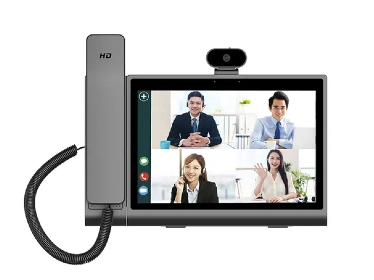
When selecting basic SIP phones for your hotel, there are several features you should consider to ensure the phones meet your needs and provide a seamless guest experience.
Good call quality is essential for a positive guest experience. Look for SIP phones with HD audio or wideband audio capabilities. These phones deliver superior sound clarity, which is particularly important in environments like hotels where guests need to make calls in a variety of situations (e.g., for room service, concierge requests, or emergency calls).
Guests should be able to use the SIP phone without confusion or frustration. Choose a phone with a simple interface and clearly labeled buttons. Ideally, the phone should have speed dial buttons for quick access to hotel services like the front desk, concierge, room service, and housekeeping. Large buttons and a clear display screen can also help improve usability.
While basic SIP phones are simple in design, having programmable buttons can make the phones more functional. For example, you can pre-program frequently used numbers into the buttons, such as the front desk or emergency services, allowing guests to easily make calls without having to dial long numbers.
Hotel phones endure a lot of wear and tear due to frequent use by guests. Look for phones that are made from durable materials, such as high-quality plastics, and have a solid build to withstand damage. Phones with dust and water-resistant features may also be a good option, especially for hotels located in humid or coastal areas.
Ensure that the SIP phone you choose is compatible with your hotel’s PMS and other hotel management software. The ability to integrate the phone system with your existing infrastructure will make it easier to manage call billing, voice mail, and other services. It’s also important to check whether the phone supports multi-line configurations if your hotel rooms require more than one phone line.
When choosing SIP phones for hotel rooms, it's important to focus on reliability, ease of use, and guest-friendly design. Kaer Electric offers a range of SIP hotel phones specifically designed for hospitality environments, making them an excellent choice for modern hotels.
Kaer Hotel SIP Phones
Kaer Electric specializes in hotel communication solutions, offering SIP phones with elegant design, clear audio, and customized hotel-friendly features. Their phones provide:
HD voice clarity for a better guest experience
Customizable function keys suitable for room service, housekeeping, and front desk
Durable and stable hardware, ideal for long-term use in hotel environments
Easy integration with major hotel PBX and IP communication systems
Kaer's SIP phones are designed to enhance both guest satisfaction and hotel operational efficiency.
Basic SIP phones are an ideal choice for hotels looking to provide reliable, cost-effective, and high-quality communication solutions for their guests. They offer many benefits, including cost savings, ease of installation, and improved guest experience. With their simple design, customizable features, and compatibility with hotel management systems, SIP phones are a must-have for modern hotel rooms. By investing in SIP phones, hotels can improve operational efficiency while enhancing the guest experience.


