Views: 0 Author: Site Editor Publish Time: 2026-03-29 Origin: Site
VoIP phones make calls using the internet. SIP phones use special rules to handle voice, video, and messages. Every SIP phone is also a VoIP phone. But not all VoIP phones use SIP. SIP gives you more features and is more flexible. SIP phones are good for businesses that want advanced tools. These tools include video calls and instant messages. You should pick the phone system that fits your business needs. Think about cost, features, and how your business might grow. Both VoIP and SIP need a strong internet connection. This helps calls sound clear and keeps service working well.
A voip phone lets you call people using the internet. It does not use old copper wires like landlines. You talk with others just like a normal phone. Your voice turns into digital data. You do not need a landline to use it. Many businesses pick voip phones because they have more features. Voip phones also help save money.
When you talk into a voip phone, your voice changes to digital signals. These signals move through your internet connection. The voip phone system follows special rules to send and get these signals. Calls are clear, even if the person is far away.
Here is a table that shows how a voip phone works compared to a traditional phone:
Feature | VoIP Phones | Traditional Phones |
|---|---|---|
Mode of Transmission | Changes voice to digital data over broadband | Uses copper wires for analog signals |
Technology | Uses SIP for sending calls | Uses POTS for talking |
Cost Efficiency | Lower costs for long-distance calls | Higher costs for long-distance calls |
Scalability | Easy to add more phones with internet | Limited by number of wires |
Features | Has advanced features like call routing apps | Only basic features with PBX hardware |
You can see voip phones give more choices and better value.
There are different kinds of voip phones. Each one fits a different need:
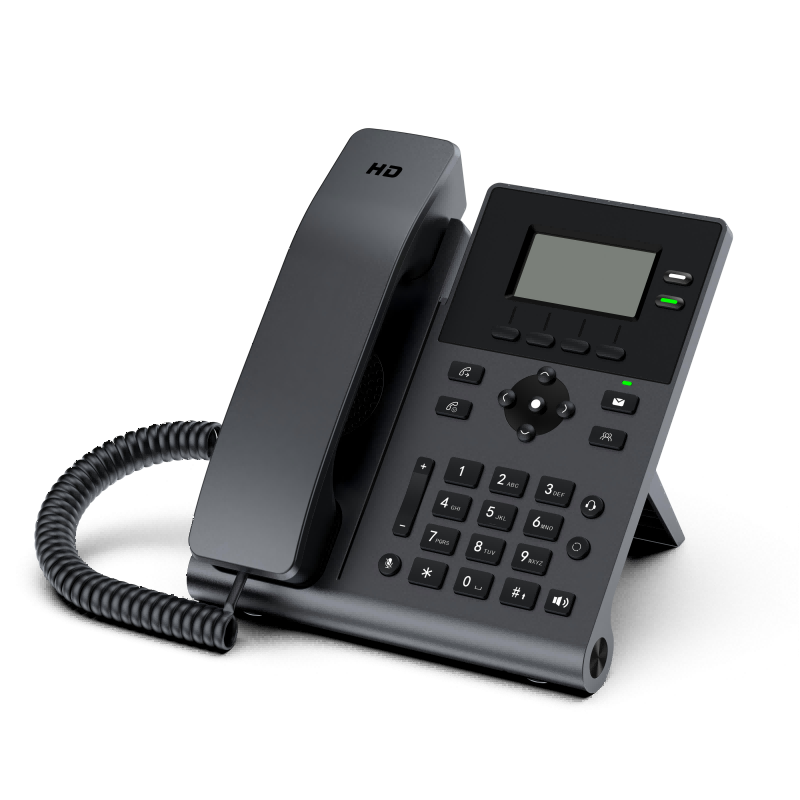
VoIP desk phones: These look like office phones. You plug them into your network. They use the internet for calls.
Softphones: These are apps for your computer or phone. You use a headset or microphone to make calls.
Pick the type that works best for your home or business. Voip phones help you connect with others anywhere.
SIP helps you make and manage calls online. SIP means Session Initiation Protocol. This protocol starts, controls, and ends voice or video calls. SIP is a signaling protocol in voip systems. It lets two devices send messages back and forth. SIP does more than connect calls. It also lets you add or remove people from a call.
Here is a table that shows what SIP does in voip systems:
Feature | Description |
|---|---|
Signaling Protocol | SIP sets up, manages, and ends multimedia sessions over IP networks. |
Bidirectional Communication | SIP allows two-way communication between devices. |
Session Control | SIP handles call setup, routing, and session control for voice and video. |
SIP is used in most new voip systems. SIP starts, keeps, and ends real-time sessions. You can use SIP for voice calls, video chats, and instant messages. SIP trunking lets you send voice and data together. This saves money and gives you more choices. Many companies pick SIP because it has more features. SIP works with many platforms. SIP is the most common protocol for voip. This means you get better options and it works with more devices.
Tip: If your business wants to grow or connect many places, SIP makes it easy to add more to your voip system.
SIP phones are different from other voip phones. They give you more than just voice calls. You can use video, instant messages, and manage calls better. SIP phones are good for businesses that need things like routing between offices or connecting to CRM tools. They also help with following rules better than other voip phones.
Here is a comparison of SIP phones and other voip phones:
Feature | SIP Phones | Other VoIP Phones |
|---|---|---|
Protocol | SIP (Session Initiation Protocol) | Various VoIP protocols |
Multimedia Support | Voice, video, instant messaging, and more | Mostly voice only |
Session Management | Advanced session control | Limited session management |
Use Case | Best for advanced business needs | Good for basic voice communication |
Compliance | SIP compliant | Not always SIP compliant |
You should choose a SIP phone if you want more features and want your system to last.
You need to know how voip and sip work together. Voip changes your voice into data and sends it over the internet. This lets you make calls without using old wires. Sip is a set of rules that helps manage these calls. It does more than just voice. Sip can handle video and messages too. You can use sip to connect to other phones, even if they use older systems.
Here are the main points about technology and protocols:
Voip systems turn sound into data packets for internet calls.
Sip manages voice, video, and messages. It can connect to traditional phone lines.
Voip covers many ways to make calls online. Sip is one special way that gives you more options.
You see that sip is a part of voip. Not every voip phone uses sip, but every sip phone uses voip.
You get more features with sip than with basic voip. Voip lets you talk to others using the internet. Most voip systems focus on voice calls. If you want to send video or messages, you need extra tools unless you use sip. Sip gives you a full set of tools for communication. You can call, send messages, or start a video chat with one system.
Let’s look at what each system can do:
Sip supports voice, video, and messaging. You get a unified way to talk and share.
Voip mostly handles voice. You need more features for video or text.
Sip is a protocol inside voip. It makes your phone system more flexible.
If you want a simple voice call, voip works well. If you want more, sip gives you those choices.
You may want your voip phone to work with other systems. Sip helps connect internet calls to old phone networks. This is called sip trunking. It lets you reach people who use regular phones. Sometimes, you may face challenges when you mix new and old systems.
Here is a table that shows some common challenges:
Challenge | Description |
|---|---|
Compatibility with Legacy Systems | Some old phones and PBX systems may not work with new voip systems. This can cause problems. |
Need for System Updates | You may need to update your current system to use all the features of voip and sip. |
You should check if your current setup can support voip and sip. This helps you avoid problems and get the most from your phone system.
Note: Sip stands out because it connects many types of communication. It also helps you link new voip features with older phone systems.
You now see that sip is a subset of voip. Sip gives you more features and better connections. Voip is the main technology, and sip is a special protocol that makes your phone system stronger.
There are many good things about using a voip phone for your business. The best part is you can save a lot of money. You might pay up to 90% less for calls. This helps new and small businesses spend less. You do not need to buy expensive equipment or pay for long-distance calls. Most voip plans give you things like video meetings and call tools for free.
Here is a table that shows the main advantages:
Advantage | Description |
|---|---|
Cost-effective communication | VoIP can reduce costs by up to 90%, making it ideal for startups and small businesses. |
Flexibility and scalability | VoIP systems are cloud-based, allowing for remote work and easy adjustments as businesses grow. |
Advanced features | Includes functionalities like video conferencing and call management, enhancing user experience. |
You can add or remove people without buying new equipment. Workers can do their jobs from anywhere. This keeps your team working together. Voip also gives you cool tools like call forwarding, CRM links, and video calls. These things help your team get more done and make your phone system stronger.
Tip: Fast internet and new voip companies now give you clear calls and steady service, even when lots of people are using the phones.
There are some problems with voip phones too. Some people think the system is hard to use because there are too many choices and menus. You might need to put in new wires because voip phones use bigger cables. Another problem is power. If the power goes out, your phone will not work.
Here are some common disadvantages:
You need good internet for clear calls.
Off-site servers mean you do not have full control. If the main server stops, your phones may not work.
IT teams have to take care of the system. This means more work for them.
Some voip phones can cost more if you pay for things you do not use or go over your plan.
Old voip phones sometimes had bad call quality, but new tech and better networks have fixed this. Still, the company you pick matters. Choose a provider with good help and strong service to stop problems.
SIP phones give you lots of good things. One big plus is saving money. SIP uses the internet, so you do not pay for landlines. You do not need new hardware when your business grows. You can add users or features with a few clicks.
Here is a table showing the main advantages of SIP phones compared to other VoIP phones:
Advantage | Description |
|---|---|
Cost-Effectiveness | SIP lowers costs by using the internet, not landlines. |
Flexibility | SIP needs only small changes to grow, unlike old systems. |
Adaptability | SIP lets you use video calls and messages. |
Mobility | You can use SIP anywhere with internet. |
Interconnectivity | SIP devices work well on different platforms. |
SIP phones are flexible. You can use them at home, work, or while traveling. You just need an internet connection. You can join video meetings, send messages, and share files. This makes your job easier and faster.
You can quickly add or remove lines with SIP phones. You do not have to change your whole system. SIP phones connect to tools like Microsoft Teams or your calendar. This helps you manage your work in one place. You can use features like HD voice, call routing, and analytics. These features help your business grow and stay organized.
Tip: SIP phones let you work from anywhere. You can use your business phone on any device and from any location.
There are some problems with SIP phones you should know. If your power or internet stops, your phone will not work. You need a strong internet for clear calls. Network delays or lost data can make your audio sound bad.
Here are some common disadvantages of using a SIP phone:
Calls stop if you lose power or internet.
Audio quality drops if the network has problems.
Emergency calls may not go to the right place if your address is not updated.
SIP phones can be hacked, listened to, or tricked. You need strong security to keep your calls safe.
Type of Phone | Vulnerabilities | Security Measures |
|---|---|---|
SIP Phones | Hacking, Eavesdropping, Spoofing | Needs security steps to stop threats |
VoIP Phones | Hacking, Phishing, Eavesdropping | Needs good setup and care |
You can lower risks by using encryption and keeping your system updated. Always check your settings and teach your team to spot threats. With the right steps, you can enjoy SIP phones and stay safe.
Start by thinking about what your business needs. Count how many calls you make each day. Decide if you want video meetings or instant messages. If your team works in different places, you need a system that connects well. If you have PBX equipment, check if the new system works with it. Here are some things to think about:
Compatibility: VoIP systems may need special hardware. SIP works with more devices.
Scalability: SIP lets you add or remove users fast as your business grows.
Security: Both systems need strong security. SIP may need extra steps.
Network reliability: VoIP and SIP both need a strong internet connection.
Pricing: Look at all costs, like setup and monthly fees.
Tip: Do not pick a system without checking if it fits your needs. Remember to plan for future growth.
Different industries use voip and sip in special ways. The table below shows how each phone system fits different business needs:
Industry | VoIP Use Case | SIP Use Case |
|---|---|---|
Financial Services | Lower costs and connect branches | Handle secure, high-volume calls with trunking |
Healthcare | Support telemedicine and remote care | Manage patient data and integrate communication |
Education | Connect campuses and support remote learning | Send alerts and connect locations |
Retail | Improve customer service and link stores | Manage promotions and consolidate communications |
Hospitality | In-room and event coordination | Support video conferencing and advanced features |
You can see voip is good for basic needs. SIP gives more choices for harder tasks.
Think about how your business might change later. If you want to grow, SIP makes it easy to add new phone lines. You do not need extra wires. Cloud SIP trunking lets you use local numbers from anywhere. This helps if you have many locations. New trends like 5G and AI will make voip and SIP better. Always check if your phone system can keep up with new technology and rules. This is important if you work in healthcare or finance.
Note: Picking the right phone system now helps your business stay ready for the future.
Now you understand how a voip phone is not the same as a sip phone. Look at this table for a fast review:
Aspect | VoIP Phone | SIP Phone |
|---|---|---|
Functionality | Makes voice calls using internet | Lets you call, video chat, and message |
Setup | Needs a computer or an adapter | Can work by itself with a modem |
Keep in mind, sip is included in voip. Pick the phone that fits what you need. Check the features, support, and if it is easy to add more users.
You use a VoIP phone to make calls over the internet. A SIP phone uses a special protocol to handle voice, video, and messaging. Every SIP phone is a VoIP phone, but not all VoIP phones use SIP.
You can use a SIP phone at home if you have a strong internet connection. SIP phones work well for remote work, video calls, and messaging. You do not need special equipment.
VoIP phones stop working if you lose power or internet. You can use backup batteries or mobile apps to stay connected. Always check your provider’s options for emergencies.
SIP phones need strong security. You should use encryption and update your software often. Teach your team to spot threats. Security keeps your calls and messages safe.
You should pick SIP phones if you want to add users quickly and use advanced features. SIP phones help your business grow and connect with more tools.