Views: 0 Author: Site Editor Publish Time: 2026-06-16 Origin: Site
Modern parenting presents a complex dilemma. You desperately want to keep your child physically safe. However, you must also respect their growing autonomy. Digital privacy expectations complicate things further. Finding this perfect balance feels overwhelming. Phone tracking provides a practical solution. We must reframe how we view it. It is no longer about spying on your family. Today, location tracking serves as a standard safety protocol. Industry trends show a major shift happening right now. Parents are moving away from vulnerable software apps. You typically install these on standard adult smartphones. They choose purpose-built hardware instead. Let us evaluate the three primary location tracking methods. We will examine native operating systems closely. We will review third-party apps. We will also explore dedicated hardware options. This guide will help you make a secure decision. You will choose a tamper-resistant and age-appropriate tracking method.
Software limits: Native OS tools (Apple/Google) are free but easily bypassed by tech-savvy children; third-party apps often suffer from high battery drain and privacy concerns.
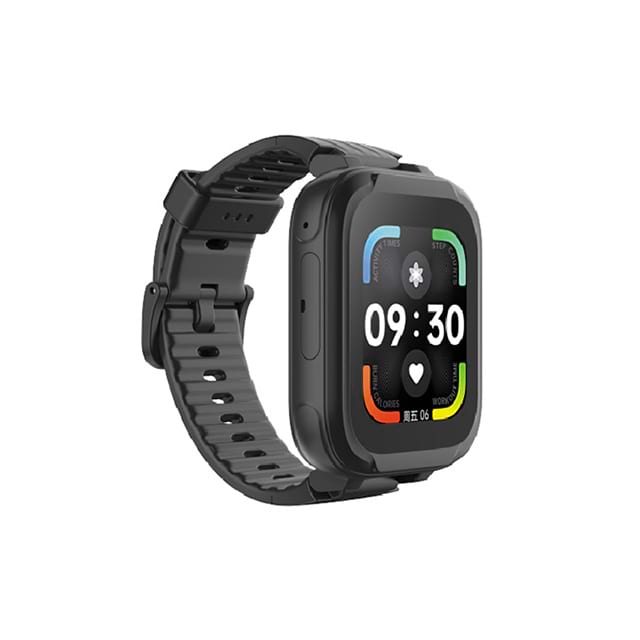
Hardware reliability: A dedicated kids phone or 4G Smart Watch offers tamper-proof tracking without exposing children to unrestricted internet access.
Evaluation criteria: The best tracking solutions prioritize real-time GPS accuracy, long battery life, SOS functionality, and strict data compliance.
Vendor selection: Choosing a reputable kids phone supplier ensures hardware durability and secure network connectivity.
Standard adult smartphones pose inherent challenges for parents today. Manufacturers design these devices for unrestricted adult usage. They are incredibly difficult to lock down completely. You might try putting tracking software on a standard phone. This software approach creates immediate daily friction. It requires constant operating system permission management. You spend hours adjusting settings.
Implementation carries significant risks for your family. Tracking apps cause extremely high battery consumption. They run continuous background processes. Kids are very tech-savvy today. They frequently discover clever workarounds. They easily disable location services entirely. Sometimes they delete user profiles to stop the tracking. Your safety net disappears in seconds. This creates unnecessary anxiety.
Consider the dedicated hardware approach instead. Purpose-built devices solve these inherent software flaws beautifully. A dedicated kids tracker phone embeds tracking directly. It places GPS modules at the firmware level. This integration makes software removal practically impossible. The system protects itself from user tampering.
Success relies on establishing core criteria early. The device must function properly as a safety tool first. It removes the friction of daily software conflicts. You never worry about your child deleting an app. The hardware does the heavy lifting for you. You gain reliable peace of mind instantly.
Parents often start their safety search by looking at software. We can group these options into two main categories. You have native operating system tools. You also have third-party subscription apps. Both have specific strengths and glaring weaknesses.
Let us examine native tools first.
Pros: They are fully integrated into the phone. They are completely free to use. They also avoid risky third-party data sharing.
Cons: They provide a very broad location radius. They are noticeably less precise during active emergencies. Furthermore, they heavily rely on the phone remaining powered on. They strictly require an active cellular data connection.
Next, consider third-party subscription apps.
Pros: They offer highly granular geofencing capabilities. They also boast broad cross-platform compatibility across different devices.
Cons: They require deep root or accessibility permissions. This requirement creates massive potential data privacy liabilities. You expose sensitive personal data to external servers.
We must perform a crucial E-E-A-T reality check here. Real user experiences highlight significant operational flaws. Parents frequently report apps failing silently in the background. Modern smartphones utilize aggressive battery-saver modes. These built-in OS features kill background app processes entirely. They do this to save battery life. The tracking simply stops working when you need it most.
Tracking Method | Cost Model | Precision | Tamper Resistance | Privacy Risk |
|---|---|---|---|---|
Native OS (Find My) | Free | Broad / Variable | Low | Low |
Third-Party Apps | Monthly Subscription | High / Granular | Medium | High |
Dedicated Hardware | One-time + Data Plan | Exact / Real-Time | High | Low (If Compliant) |
Let us shift the entire category evaluation. Stop asking how to modify an adult phone safely. Start buying an age-appropriate device instead. Hardware solutions remove constant software battles entirely. They provide a much cleaner safety ecosystem.
A key advantage is tamper-proof tracking reliability. These devices feature highly specialized built-in Kids GPS Tracker modules. Dedicated hardware components cannot be uninstalled. The user cannot restrict these location permissions. The GPS operates independently of standard software rules. It remains active regardless of what the user clicks.
We see two primary form factors dominating the current market. Each serves a very specific age demographic.
First, consider the 4G Smart Watch. This option is absolutely ideal for younger children. We recommend it for ages 5 to 10. Kids wear it securely strapped to their wrist. They are far less likely to lose it during play. It includes remarkably simple push-to-talk features. It also features dedicated physical SOS buttons for emergencies.
Second, look closely at the dedicated kids phone. It is ideal for independent pre-teens. We recommend it for ages 10 to 13. It looks exactly like a standard adult smartphone. However, it completely restricts unauthorized app downloads natively. It maintains un-killable GPS reporting at all times. It offers maturity alongside strict parental safety rails.
You need a highly structured way to compare options. Use this features-to-outcomes matrix to guide your purchasing decision. It helps separate clever marketing from actual safety performance.
First, carefully balance real-time accuracy against battery life. Standard continuous GPS polling drains batteries extremely fast. Look for devices offering adjustable ping intervals. You might track location every 10 minutes normally. During an emergency, you switch to 60-second updates. This smart strategy preserves critical battery power all day.
Second, evaluate geofencing and alert capabilities thoroughly. The device must provide immediate push notifications. You need instant mobile alerts for "Safe Zone" departures. Delaying these critical notifications defeats the purpose entirely. You must know exactly when they leave school grounds.
Third, demand physical SOS functionality on the device. You want tactile hardware-level buttons. Your child presses the button during distress. It instantly dials pre-programmed emergency contacts. It must also force an immediate high-accuracy GPS ping.
Security and compliance remain absolute non-negotiable factors. The tracking method must utilize fully encrypted data transmission. It must strictly adhere to localized digital privacy laws. Look specifically for compliance certificates like COPPA or GDPR-K.
Here are the most critical criteria to prioritize during evaluation:
Adjustable location ping intervals optimize daily battery consumption.
Hardware-level SOS buttons guarantee instant emergency communication.
Encrypted data transmission prevents malicious third-party interception.
Strict adherence to recognized digital privacy frameworks protects identity.
Assessing hardware quality requires careful vendor scrutiny. The manufacturer truly matters in this specific safety category. A highly reliable kids phone supplier ensures consistent firmware updates. They also guarantee proper network band compatibility globally. This critical engineering step prevents dangerous cellular dead zones.
Let us look at a specific product spotlight. You can use the KAER Kids Tracker Phone as a strong industry benchmark. It shows you exactly what features to look for. It offers seamless 4G connectivity right out of the box. It features a highly robust parental control dashboard. It also boasts excellent durable build quality for active kids.
Implementation requires a solid rollout strategy for parents. Transparency builds long-term trust. You must have the "tracking conversation" openly. Explain the mutual safety benefits clearly to your child. This honest approach builds mutual trust rather than deep resentment. They must understand the tool exists for their protection.
Testing is equally important before daily deployment. Always conduct a thorough "dry run" together. Test the physical SOS buttons repeatedly. Verify the geofencing alerts trigger correctly on your smartphone. Do this testing before relying on the device entirely.
Let us recenter on your core safety decision. Software apps only serve as a temporary stopgap. They fail frequently when you need them most. Dedicated hardware provides true, lasting peace of mind.
We highly recommend prioritizing maximum tracking reliability. Bypass the daily friction of managing app permissions. Invest in a purpose-built 4G smartwatch or a secure tracker phone.
Take proactive action today. Compare specific dedicated kids' devices carefully. Evaluate the vendor technical specifications closely. Explore trusted product lineups to secure your child's safety properly.
A: Yes, on standard smartphones, kids can often bypass apps. They simply turn off location permissions in the settings. They also use aggressive battery saver modes to kill background processes. Some delete managed profiles entirely. Dedicated hardware prevents this completely by locking GPS capabilities securely at the firmware level.
A: Yes, it is significantly better. It dramatically reduces screen-time distractions. It remains strapped to the wrist, making it much harder to lose. Most importantly, it features built-in GPS modules. The child cannot uninstall or tamper with these permanent tracking features.
A: Continuous GPS polling drains standard phone batteries very quickly. Purpose-built tracker phones solve this issue through smart optimization. They adjust background syncing intervals intelligently. This smart management ensures the device lasts the entire school day without dying prematurely.
A: It depends entirely on the provider you choose. Always select devices from a verified, reputable supplier. Ensure they utilize robust end-to-end data encryption. They must also strictly comply with children's digital privacy laws like COPPA and GDPR-K to protect personal data.