
Views: 0 Author: Site Editor Publish Time: 2025-11-07 Origin: Site
In an era dominated by smartphones and instant messaging, the presence of payphones in public spaces might seem outdated. However, modern managed public phones continue to play a critical role, especially in environments where personal devices are restricted or communication needs must be controlled. This article explores why these payphones remain essential, highlighting their safety, accessibility, operational benefits, and versatility.
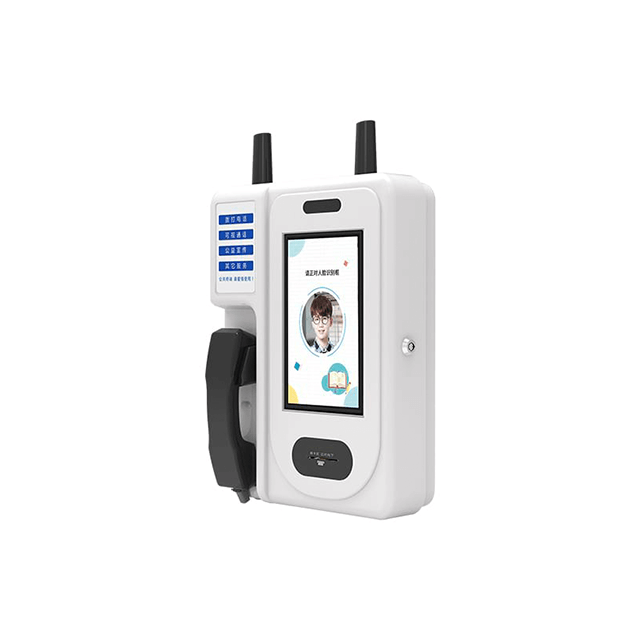
Public phones have a long history as vital communication tools in schools, institutions, and public areas. While traditional payphones once offered unrestricted calling, today’s devices have evolved into highly controlled systems. Modern public phones integrate digital technology, video calling, and management platforms, making them indispensable for regulated environments. Their evolution demonstrates that payphones are not merely relics of the past—they are strategic tools for safety, communication, and operational efficiency.
In many boarding schools, students are not allowed to carry personal smartphones. Yet maintaining contact with family is essential. Managed public phones bridge this gap by allowing students to:
Make video or voice calls through card or facial recognition.
Access only pre-approved family numbers, preventing unsupervised calls.
Use large-screen or traditional black-and-white phones depending on the setting.
By offering secure, controlled communication, these payphones ensure students can stay connected without compromising safety.
Safety is a primary reason for maintaining public phones in regulated spaces. Modern devices provide:
Pre-set contact lists to prevent unauthorized communication.
Centralized monitoring and logging of calls via a management platform.
Privacy for students making confidential calls to parents or counselors.
This controlled access reduces the risk of misuse while ensuring that essential communication is always available.
Managed public phones are not only a safety tool—they also provide operational advantages:
Schools and operators can implement flexible calling plans, including VoLTE video and network-based calls.
Platforms support fee management, recharge options, and detailed usage reporting.
Long-term cost-effectiveness compared to providing personal devices to every student.
These features make payphones a sustainable and revenue-generating solution for schools and other institutions.

While commonly found in educational settings, managed public phones are equally useful in other public or controlled environments, such as:
Prisons and secure facilities.
Areas with weak signals, such as tunnels, pipelines, and mines.
Workspaces where personal devices are restricted for safety or compliance reasons.
These applications demonstrate the versatility and necessity of payphones beyond traditional settings.
Several institutions have successfully implemented managed public phones:
A boarding school enabled students to maintain family contact while enforcing strict device restrictions.
A secure facility used managed phones to allow controlled communication without compromising security.
Remote work or industrial sites deployed payphones to ensure reliable communication in areas with poor mobile coverage.
These examples illustrate the practical benefits of modern public phones across diverse environments.
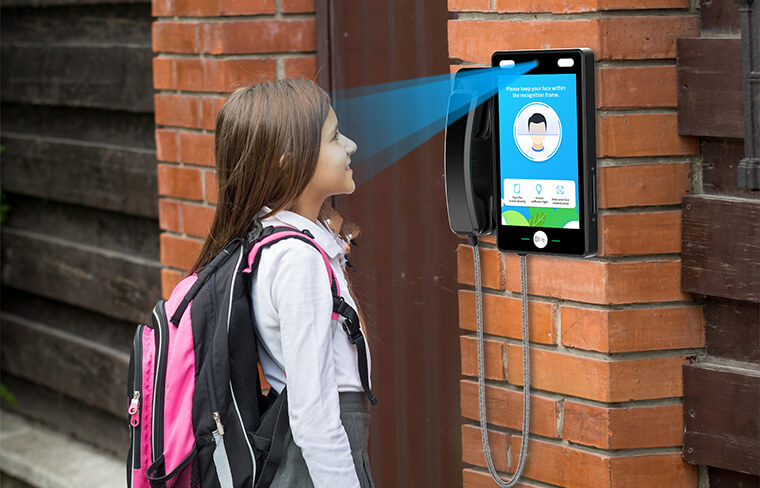
Despite the prevalence of mobile devices, payphones remain essential in public spaces where communication must be controlled, secure, and reliable. Modern managed phones offer advanced features such as video calling, facial recognition, and backend management, ensuring safety, accessibility, and operational efficiency. For institutions seeking to balance communication needs with security, payphones are a strategic and indispensable solution.
Why are payphones still used in public spaces?
They provide secure and controlled communication in environments where personal devices are restricted or not practical.
How do they ensure safety?
Pre-set contact lists and centralized monitoring prevent unauthorized communication while allowing necessary calls.
Do these phones require traditional phone lines?
No, they operate via network connections and electricity, often through card or internet-based systems.
Can payphones generate revenue?
Yes, operators and institutions can set call packages, monitor usage, and manage payments via the backend platform.
Where else are managed payphones useful?
They are ideal in prisons, secure facilities, tunnels, pipelines, mines, or any location where personal devices are restricted or signals are weak.
Can parents manage communication for their children?
Yes, parents can use mobile apps to set authorized numbers, recharge balances, and monitor call activity.


