
Views: 0 Author: Site Editor Publish Time: 2025-12-05 Origin: Site
In today's digital age, where smartphones and instant communication are at everyone's fingertips, public payphones might seem like a relic of the past. However, they still serve an important role in certain settings, particularly in schools. Despite the rise of mobile devices, public payphones remain essential in many educational institutions, offering benefits that cannot be easily replaced by personal cell phones. This article explores why public payphones in schools are necessary, their benefits, and the future of this communication medium in educational environments.
A public payphone is a telephone that is available for use by the general public for a fee. Traditionally, payphones were found in public places like street corners, airports, and shopping malls. Users would insert coins, a phone card, or a payment system to make calls. Over time, payphones evolved to accept electronic payment methods, such as credit cards or mobile payment systems, to adapt to modern technological standards.
In schools, public payphones are typically located in easily accessible areas like hallways, near administration offices, or close to student areas where emergency calls might be required. Though personal cell phones have largely replaced the need for payphones in most public spaces, schools continue to provide these phones for specific reasons that benefit students, staff, and visitors alike.
Despite the widespread use of cell phones, public payphones still offer valuable benefits in school settings. Here are some of the key reasons why payphones are still important in educational environments:
In the event of an emergency, having a public payphone on school grounds can be a lifesaver. Not every student or staff member may have access to a personal cell phone, especially in situations where phones might be restricted or unavailable. Public payphones ensure that everyone—regardless of their mobile device access—has the ability to make emergency calls.
For instance, students who forget their phones at home or those who don’t have a mobile phone can use a payphone to reach a parent, guardian, or emergency contact. In case of accidents, medical emergencies, or natural disasters, a payphone serves as a reliable backup communication tool that everyone can rely on.
Not all students come from households with reliable access to personal cell phones or smartphones. For some students, owning or maintaining a mobile phone may not be financially feasible. Public payphones in schools provide an affordable alternative for these students to communicate with their parents or guardians. This ensures that all students, regardless of their financial background, can stay connected with their families during school hours.
By providing a payphone, schools ensure that communication is not restricted to those with smartphones, making it more inclusive and accessible for everyone. This is especially important in public schools, where students may come from diverse socioeconomic backgrounds.
Cell phones can be a major source of distraction in classrooms. To minimize these disruptions, many schools have adopted policies that restrict or prohibit the use of mobile phones during class. However, this can create a problem if a student needs to make an important call. In this case, having a public payphone available can be a practical solution.
Instead of students using their phones for non-educational purposes, they can make necessary calls from the payphone when needed, helping to maintain the focus and productivity of the classroom while still ensuring that communication remains accessible.
Public payphones in schools can also be more secure than allowing students to use their personal phones. While cell phones can be used for both personal and academic purposes, they can also be easily lost, stolen, or misused. By providing a public payphone, schools can maintain a level of supervision over communication, ensuring that calls are made for legitimate reasons and preventing misuse or inappropriate use of mobile phones.
Additionally, some payphones have features that allow the school to track call activity, which can be important for monitoring and ensuring the safety of students and staff. This can provide additional security in the school environment, especially in situations where tracking and monitoring communication is necessary.
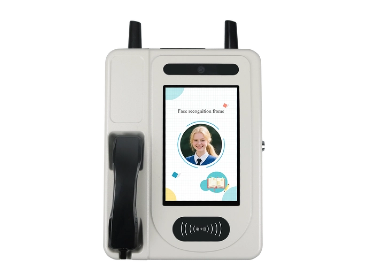
Let’s explore some of the specific benefits that public payphones offer to schools, students, and staff:
While cell phones allow for quick access to information, not everyone in a school environment has equal access to technology. Public payphones help bridge this gap by offering a basic means of communication that is available to all. Students can contact their parents, emergency services, or school officials without worrying about whether they have a personal phone with them.
In addition, for visitors or parents who might not have access to a smartphone when they arrive at the school, the payphone can serve as an immediate and practical solution for getting in touch with the necessary parties.
Schools often host events, meetings, and activities where visitors or parents may need to make a call. Public payphones in schools offer these individuals a quick and easy way to reach someone without needing to search for a phone or leave the premises. This can be especially helpful for parents who may not have a mobile phone or are attending a school event and need to contact someone quickly.
In a world where many rely on mobile devices, the presence of public payphones ensures that there’s always a reliable communication option available for guests and visitors.
For students who stay after school for extracurricular activities, sports, or club meetings, access to a public payphone can provide an extra layer of security. After hours, there may be fewer staff members around to help students with immediate needs, such as contacting parents or emergency services. A payphone provides an accessible way for students to get in touch with their families when necessary.
This is especially important in schools with larger campuses or after-school programs, where students may find themselves in isolated areas or far from their original drop-off locations.
While mobile phones are often the preferred communication device, they are not without their environmental costs. The production, use, and disposal of smartphones contribute to electronic waste, which can have a negative impact on the environment. Public payphones, being simple and built for long-term use, are more sustainable, requiring less energy and producing less waste than a smartphone.
By offering public payphones in schools, the institution helps reduce the overall carbon footprint associated with mobile phone use, while providing a low-tech, sustainable alternative for communication.
Despite their benefits, public payphones are becoming less common in schools. This is due to the widespread availability of personal mobile phones, which have made traditional payphones less necessary. Many schools now allow students to carry their own phones, reducing the need for a dedicated payphone system.
However, even with the rise of personal phones, payphones remain important in certain schools, particularly those that serve lower-income communities where access to smartphones is limited. Moreover, public payphones continue to be a useful fallback option for emergencies or for situations where mobile phones may be banned or restricted.
As technology continues to evolve, public payphones in schools may need to adapt to stay relevant. Future advancements could include integrating payphones with mobile charging stations, upgrading them with internet access, or even combining them with emergency alert systems. Some schools may also explore the possibility of replacing traditional payphones with smartphone docking stations or public communication hubs to meet the needs of both students and visitors.
Public payphones, though no longer the primary communication tool for most people, continue to offer a valuable service in certain environments, including schools. They provide essential benefits such as emergency communication access, security, affordability, and a means for students and staff to stay connected in a reliable and controlled manner.
As mobile technology evolves, the role of public payphones in schools may change, but they will always remain an important tool in ensuring that communication remains accessible, secure, and efficient. In a world where connectivity is crucial, public payphones provide a simple yet reliable solution for maintaining communication within the school environment.
Shandong Kaer Electric Co., Ltd. is one of the leading companies that support innovative solutions for communication technologies, including the development and installation of advanced payphone systems that cater to educational and public environments.


