
Views: 0 Author: Site Editor Publish Time: 2025-12-09 Origin: Site
The role of communication in prisons is crucial to maintaining relationships between inmates and their families, as well as ensuring effective legal processes. Traditionally, communication between inmates and the outside world has been limited to phone calls, letters, or face-to-face meetings during visitation hours. However, technological advancements have introduced a new, secure, and efficient way of communication: the video payphone.
A video payphone in prisons is a specialized communication device that allows inmates to make video calls to their families, legal representatives, or other authorized individuals. The introduction of video payphones has revolutionized the way inmates communicate, offering several advantages over traditional phone calls and in-person visits. This article will explore the importance of video payphones in prisons, their benefits, and how they are changing the landscape of prison communication and security.
A video payphone is a communication device that enables users to make live video calls over a secure network. In the context of prisons, video payphones are installed in designated areas where inmates can interact with their families, attorneys, or approved visitors via a video screen. These payphones are designed with security features to prevent unauthorized use and to ensure that all communications are monitored by prison authorities.
Video payphones are different from regular telephones in several ways. They use video technology to allow for face-to-face communication, and they are usually connected to a secure network that ensures the calls are monitored and recorded for security purposes. Unlike traditional in-person visits, video calls offer a more convenient and cost-effective way for families and legal representatives to stay in touch with inmates.
Video payphones in prisons operate on a simple yet secure model. Here’s how they generally work:
Setup and Payment: Inmates can use video payphones by paying for the service through a prepaid account, just like traditional payphones. The payment system is often managed by third-party service providers who have partnerships with correctional facilities. Inmates or their families can load funds into these accounts, which can be used to pay for the video calls.
Connection to Approved Contacts: Inmates can only contact individuals who have been approved by the prison, such as family members, attorneys, or other legal representatives. The calls are often scheduled in advance to ensure that both parties are available at the same time.
Security Features: Video payphones are installed with numerous security features to ensure that the calls are monitored and that the inmates do not misuse the technology. These features may include video surveillance, call recording, and restricted access to certain individuals or external networks.
Limitations on Calls: Inmates generally have a limited amount of time for video calls, and these calls are often subject to strict regulations regarding who can be contacted and when. Video calls are also often restricted to non-commercial purposes, ensuring that they are used for family communication, legal consultations, or other approved reasons.
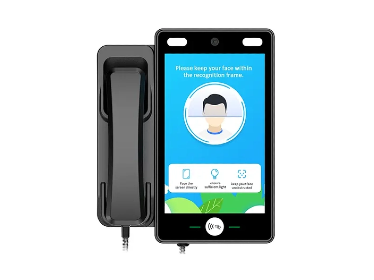
Video payphones serve a number of purposes in the correctional system. They have a significant impact on inmate rehabilitation, family relationships, and overall security within the facility. Below are some key reasons why video payphones are important:
One of the most significant benefits of video payphones in prisons is that they enhance communication between inmates and their families. For many inmates, regular contact with loved ones is essential to maintaining emotional well-being and a sense of connection to the outside world. Video calls provide a more personal and intimate way to communicate compared to traditional phone calls, allowing inmates to see their families and interact with them in real-time.
Additionally, legal representatives can use video payphones to consult with their clients without the need for in-person visits, which can be costly and time-consuming. This is particularly beneficial for inmates in facilities that are located far from their attorneys' offices or for those who are not able to receive frequent in-person visits.
In many correctional facilities, in-person visits can be limited by factors such as security concerns, visitation hours, and the distance between the prison and the visitor's home. Video payphones offer a convenient alternative that allows for more frequent communication between inmates and their families or attorneys without the need for travel or scheduling constraints.
Reducing the need for in-person visits also helps alleviate security risks associated with these visits, such as the potential for contraband smuggling or unauthorized activities taking place during the visitation process.
Maintaining strong relationships with family members and legal representatives can have a positive impact on an inmate's mental health and rehabilitation prospects. Studies have shown that inmates who maintain regular contact with their families are more likely to reintegrate successfully into society upon release. Video payphones provide an accessible means for inmates to stay connected, promoting emotional well-being and social support.
Additionally, video calls with legal counsel allow inmates to discuss their cases more effectively, ensuring that they are fully informed about their rights and legal options. This legal support is crucial in helping inmates navigate the judicial system and work toward potential sentence reductions, appeals, or parole opportunities.
Incorporating video payphones into prisons can help reduce the overall costs associated with inmate communication. Traditional in-person visits require staff to be present for security and monitoring, and they involve logistical expenses such as transportation, visitor processing, and space allocation. Video payphones, on the other hand, reduce the need for such resources, as they can be operated remotely without the need for physical interaction between visitors and inmates.
The cost savings for prisons are significant, especially in facilities that experience high volumes of visitation. Moreover, video payphones can generate revenue for the facility through the payment systems used to fund the calls, which helps offset operational costs.
One of the primary concerns of any correctional facility is maintaining security. Video payphones help improve security by reducing the number of in-person visits, which are often a prime opportunity for smuggling contraband, such as drugs, weapons, or unauthorized items. By providing a secure communication channel for inmates to connect with the outside world, video payphones mitigate the risks associated with face-to-face visitation.
Furthermore, video payphones are equipped with features that allow for monitoring and recording of calls. This enables prison staff to ensure that conversations remain appropriate and that no illegal activity takes place during the video calls. It also serves as a deterrent for inmates who may attempt to use the phone for illicit purposes.
While video payphones offer numerous benefits, there are challenges to their widespread implementation in correctional facilities:
Although video payphones provide a secure and monitored means of communication, they also raise privacy concerns. Inmates may feel that their conversations are being overly scrutinized, even when they are communicating with their families or attorneys. This concern is particularly relevant when discussing sensitive matters, such as legal cases or personal issues.
The effectiveness of video payphones relies on the technology infrastructure in place at the facility. Some correctional institutions may face challenges in maintaining the necessary hardware and software to support high-quality video calls. Additionally, internet connectivity and network stability are critical factors in ensuring that video calls are not interrupted or of poor quality.
In many prisons, access to video payphones is limited by scheduling restrictions, security measures, and the need to control call volumes. Inmates may not always have the opportunity to make calls when they need to, and the limited time for each video call can be frustrating for both inmates and their families.
As technology continues to evolve, video payphones in prisons are likely to become even more sophisticated. Future developments could include:
Higher quality video and audio: With advancements in video compression and internet connectivity, future video payphones may offer clearer, more reliable communication.
Greater accessibility: Prisons may increase access to video payphones, allowing inmates more flexibility in scheduling calls with their families, legal counsel, and other authorized individuals.
Expanded functionalities: Video payphones could eventually offer more features, such as document sharing during legal consultations, educational content, or virtual counseling sessions.
Video payphones have become a valuable tool for enhancing communication, improving security, and supporting the rehabilitation of inmates. By providing a secure, affordable, and convenient way for inmates to stay connected with their families and legal representatives, video payphones offer significant benefits over traditional communication methods.
As technology continues to advance, we can expect further improvements in the functionality and accessibility of video payphones in prisons, ensuring that they remain a vital part of the correctional system for years to come.
Shandong Kaer Electric Co., Ltd. is at the forefront of providing cutting-edge technology for video payphone systems, helping correctional facilities enhance communication, security, and efficiency within their institutions.


